
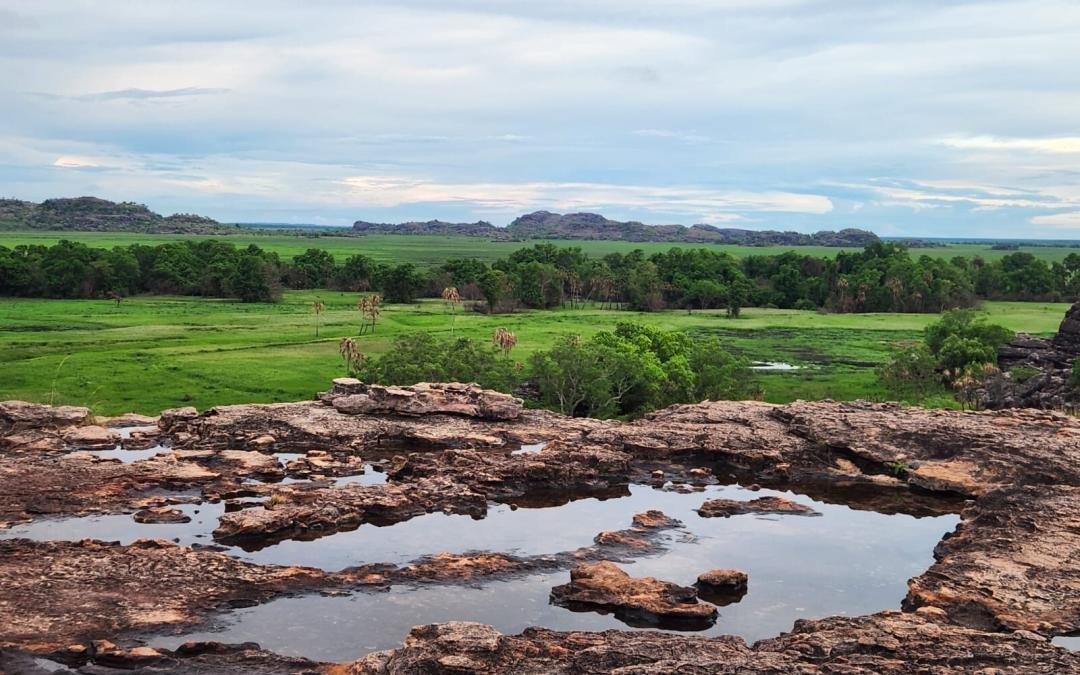
Planning to film a documentary, TV series, commercial or photo shoot in Kakadu or the Top End? Permits are the first thing to sort out, and the part that catches most productions out. The Northern Territory has several different land managers, and each one issues its own permits, with its own rules and lead times. This guide explains who to ask, what to expect and how to plan around it.
Permit rules change. This is a general guide, not legal advice, so always confirm the current requirements with the authority concerned. Last checked November 2026.
Do you need a permit to take photos in Kakadu?
Not for personal photos. Kakadu’s own guidance is that holiday snaps are fine. If you plan to film or photograph for a commercial purpose, though, such as selling the images or using them to promote a business, you need a commercial filming and photography permit from the park. That covers film and TV crews, commercial photographers, brand shoots and most paid content creation.
Who issues filming permits in the Northern Territory?
It depends on whose land you are filming on. Most Top End productions cross more than one type of land, so you may need several permits.
Kakadu National Park: Parks Australia
Kakadu is a Commonwealth national park, jointly managed by Parks Australia and its Traditional Owners. Commercial filming and photography permits are handled by the park’s Permits Officer (Kakadu.Permits@dcceew.gov.au, phone 08 8938 1140). Permits issued by NT Parks and Wildlife for other Territory parks are not valid in Kakadu, so you need a separate Kakadu permit even if you already have one for Litchfield or Nitmiluk. Contact the permits office early: it is the best way to find out the current lead times, fees and conditions for your shoot.
Litchfield, Nitmiluk and other NT parks: NT Parks and Wildlife
Territory parks such as Litchfield, Nitmiluk (Katherine Gorge) and the Mary River parks are managed by the NT Parks and Wildlife Commission, which issues its own commercial film and photography permits. Nitmiluk is jointly managed with the Jawoyn people, and some sites have cultural restrictions.
Aboriginal land, including Arnhem Land: the Northern Land Council
By law, you need a written permit to enter Aboriginal land in the Top End, and filming needs more than an entry permit. The Northern Land Council (NLC) handles applications online. For a film or photo shoot you apply for a Work permit with the work type Media, and attach the NLC’s Media Permit Application supplementary form. The NLC also publishes protocols for media working on Aboriginal land, which are worth reading before you plan your shoot.
Leave plenty of time. The NLC asks for up to 10 days for ordinary permits, but says commercial projects such as films and documentaries need significant advance notice, because Traditional Owners must be consulted. In most cases there is no charge for an NLC permit, although Traditional Owners set fees for some locations. Contact the NLC on 1800 645 299 or permits@nlc.org.au.
Darwin and other towns: local councils
Filming in streets, parks and other public places may need approval from the City of Darwin or the relevant local council, especially with a larger crew, equipment on footpaths or any closures.
Can you fly a drone in Kakadu?
Plan for no. Drones are banned in Kakadu except under a permit, and the park does not issue permits for recreational use. Commercial and research applications are considered, but the park says most commercial drone proposals are not approved. Drone use may be considered for high-profile projects that the Kakadu Board of Management and Traditional Owners have approved. Elsewhere in the Territory you need the land manager’s approval as well as compliance with CASA’s drone rules. For aerial footage, a helicopter or fixed-wing flight is usually the more reliable option.
Filming respectfully on country
Much of the Top End is Aboriginal land, with sacred sites, stories and ceremonies that belong to particular families and clans. Some places cannot be filmed at all. Sites can close at short notice for funerals and ceremonies. Your permit only covers the activities written into it, so describe what you want to film clearly and honestly in your application. Build time for consultation into your schedule, follow the guidance of Traditional Owners and rangers on the day, and always ask before filming people.
A simple permit timeline for a Top End shoot
- As early as possible: list every location and work out whose land each one is on.
- Two months or more out (longer for Aboriginal land): contact Kakadu’s permits office, NT Parks and the NLC with your dates, crew size, equipment and a description of the content.
- While you wait: lock in vehicles, accommodation and backup locations, and check the season. Some roads and sites are closed in the Wet.
- Before you travel: make sure every permit is in hand, carry copies, and brief the crew on the permit conditions and any cultural restrictions.
Need help on the ground? Talk to a local fixer
Permits are issued by the authorities, not by fixers, but a local fixer can save you a lot of time. At Down Under Safaris we help productions work out which permits apply, prepare the details, and plan the schedule around approvals. We also scout locations, supply 4WD vehicles and drivers, and organise remote logistics across Kakadu, Arnhem Land, Litchfield, Nitmiluk and the Kimberley. See our film fixer service for the Northern Territory, or if you are a photographer travelling for your own work, our private photography tours.
Official sources: Kakadu National Park permits · Northern Land Council permits · Screen Territory